Wondering if you can have tree‑lined streets, a private driveway, and a quieter pace while still living in New York City? If so, Laurelton in Southeast Queens may be on your shortlist. You want space, predictability, and an easy way to handle daily life without giving up access to jobs and services. In this guide, you’ll learn what life feels like in Laurelton, what types of homes you’ll find, how people commute, and the local amenities that make day‑to‑day living work. Let’s dive in.
Laurelton at a glance
Laurelton is a residential pocket of Southeast Queens known for single‑family homes, leafy blocks, and a suburban feel within city limits. Compared with denser parts of Queens like Astoria or Sunnyside, you typically see larger lots, more off‑street parking, and less commercial activity on side streets. The tradeoff is that you rely less on the subway and more on the Long Island Rail Road, local buses, and driving.
Local civic life is active, with houses of worship, block associations, and neighborhood groups supporting community events. If you want a quieter street scene and room to spread out, Laurelton often fits the bill.
Housing styles and what to expect
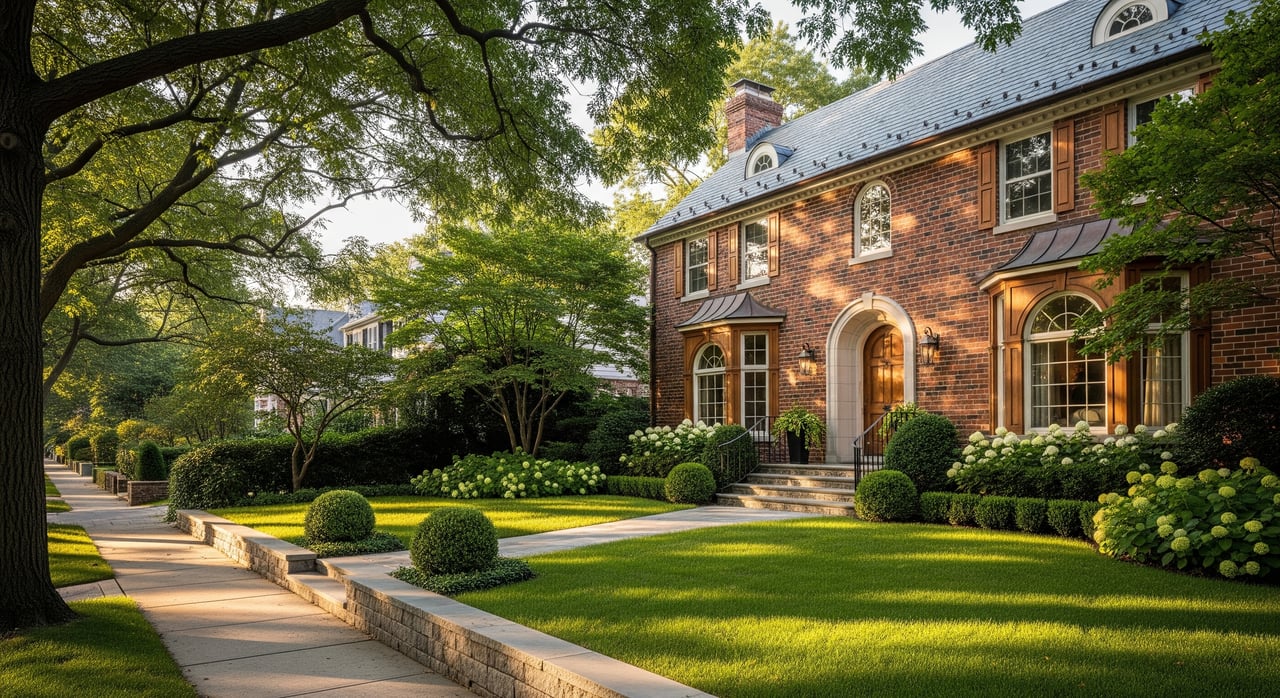
You’ll find mostly single‑family detached and semi‑detached houses, often one to two stories. Many homes reflect mid‑20th‑century designs, with colonial or Tudor influences and brick facades. Basements, backyards, and garages or driveways are common, which can simplify daily routines like parking and storage.
Small multifamily properties and a handful of apartment buildings cluster near commercial corridors. If you’re comparing with central Queens or Brooklyn, you’ll likely notice more interior square footage and outdoor space for the price.
A quick buyer checklist
- Prioritize a pre‑offer inspection plan. Older homes can need updates to roofs, HVAC, and electrical or plumbing.
- Ask about basement condition, drainage, and any water mitigation systems.
- Verify parking details and curb cut status if a driveway matters to you.
- Consider utility costs for larger homes and possible efficiency upgrades.
Pricing and how to budget
Market prices shift with condition, lot size, and whether a basement is finished or legal for certain uses. Entry points often start with attached or semi‑detached homes, while larger detached properties and renovated interiors push higher. If you need current numbers, request a tailored set of comps and on‑market examples for your exact criteria. A local MLS snapshot will give you a precise read on pricing, inventory, and days on market at the time you’re ready to move.
Tip: When comparing options, line up taxes, insurance, and estimated maintenance for each property. These carry real weight in your monthly budget.
Schools and childcare basics
Public school options depend on your specific address, and program offerings change over time. To verify your zoned schools and learn about enrollment, attendance, and program notes, use the official tools from the NYC Department of Education. You can start with the DOE’s search tool by entering your address in the DOE’s school finder and then reviewing each school’s snapshot.
- Use the NYC DOE school finder to confirm your zoned schools and program details: NYC DOE school finder.
Pre‑K seats and after‑school programs can be in demand, so plan ahead during application windows. If school proximity is a priority, confirm attendance zones and current policies before you bid on a home, since boundaries and offerings can change.
Parks, recreation, and daily conveniences
Laurelton offers a network of small parks and green spaces common to residential Southeast Queens. You’ll find playgrounds, ball fields, and walking paths within a short drive. For a deeper look at nearby parks and amenities, you can browse the city’s official parks directory.
- Explore neighborhood green spaces and features: NYC Parks’ directory.
Everyday errands are straightforward, with local groceries, pharmacies, and small restaurants along main corridors like Merrick Boulevard and Linden Boulevard. Larger shopping areas are a short drive from most homes. Houses of worship and civic groups often serve as community hubs that anchor weekend activities and neighborhood updates.
Getting around: LIRR, buses, and driving
Laurelton is not directly served by the NYC subway. Most residents rely on the Long Island Rail Road and local buses, plus driving for regional trips.
- Long Island Rail Road: Laurelton has its own station. Trains connect to Jamaica, where you can transfer to Manhattan‑bound service. Check current timetables and service advisories before commuting. Review schedules here: MTA Long Island Rail Road.
- Buses: Q‑series local routes link Laurelton to Jamaica Center and other transit hubs. Express buses to Manhattan may operate from nearby corridors. If bus access is key for you, time your route during peak hours to understand real‑world transfer waits.
- Driving and highways: Major arterials include the Belt Parkway, Southern State Parkway, Merrick Boulevard, and Linden Boulevard. You can reach JFK Airport in a short drive depending on traffic and time of day. Many homes have private driveways or garages, and on‑street parking is common.
Pro tip: If you split your commute between LIRR and buses, build in a buffer for transfers. Door‑to‑door time can vary with weather, traffic, and rail headways.
Safety and city services
Public safety data is reported at the precinct level. For context on major crime categories and recent trends, review the city’s official CompStat reports and compare against borough and citywide figures. You can filter by precinct to see 28‑day and year‑to‑date changes.
- Review current reports: NYPD CompStat.
City services are typical for residential Queens. Sanitation pickup follows set schedules by address, with seasonal adjustments and holiday changes posted online. Libraries, post offices, and fire and police facilities are within a short drive, and you can confirm locations and hours on official city pages.
- Confirm collection schedules and service notices: NYC Sanitation collection info.
- For clinics, vaccinations, and health resources, start here: NYC Health.
Who Laurelton fits best
Laurelton often appeals to buyers who want more space, a yard, and off‑street parking while staying in the city. If you are a commuter who can leverage the LIRR or you work in Queens, Long Island, or near JFK, the location can be very practical. If you need frequent subway access at your doorstep, you may find the commute a tradeoff compared with more central neighborhoods.
Families often value the quiet blocks, civic life, and access to parks. Small investors sometimes target two‑family properties for rental income, depending on zoning and property configuration.
Buying or selling: practical tips
- Get a current, address‑specific market review. Prices vary by lot size, condition, and proximity to transit and amenities.
- Inspect with experience. Mid‑century homes can have older electrical, plumbing, and roofs, so plan for due diligence.
- Verify school zoning in writing during your contingency period.
- Test your commute. Try both peak and off‑peak to understand timing.
- Line up insurance and flood disclosures where applicable. Review elevation, drainage, and any history of water issues.
How Janah Real Property Group helps
If Laurelton feels like a match, you deserve a guide who knows the streets, the housing stock, and how to negotiate for the details that matter to you. With senior‑level expertise and a hands‑on approach, we help you compare homes apples‑to‑apples, plan inspections, and navigate the offer, appraisal, and closing with confidence. Whether you are buying your first home or preparing to sell, we bring local market knowledge and steady communication to every step.
Ready to talk through your plans or see what is possible in your budget? Connect with Nodine Aldridge to Schedule a Free Consultation.
FAQs
Is Laurelton in Queens a good fit if I want a yard and parking?
- Many single‑family homes include private driveways, garages, and yards, which makes Laurelton a strong option if outdoor space and off‑street parking are priorities.
How do people in Laurelton commute to Manhattan?
- Most riders use the LIRR from Laurelton Station, transferring at Jamaica to reach Manhattan terminals, while others rely on Q‑series buses to subway hubs or drive depending on schedules.
Are there public schools near Laurelton homes?
- Yes, but assignment depends on your address; confirm your zoned options and program details using the NYC DOE school finder and review each school’s snapshot.
What types of houses are common in Laurelton?
- You’ll see mid‑century single‑family detached and semi‑detached homes, often one to two stories, with basements, backyards, and driveways or garages.
Where can I check official safety data for Laurelton?
- Review precinct‑level trends and category breakdowns on the city’s NYPD CompStat to compare local patterns with borough and citywide figures.
Does Laurelton have parks and places to walk?
- Yes, the area includes neighborhood parks and small green spaces typical of Southeast Queens; explore locations and features via the NYC Parks directory.
What should I look for during inspections on older Laurelton homes?
- Ask your inspector to evaluate the roof, HVAC, electrical and plumbing systems, basement moisture or drainage, and any prior updates, since many homes are mid‑century builds.