Trying to decide between Freeport and Baldwin for your next move-up home? You are not alone. Both South Shore communities offer strong value, good transit access, and a range of home types that appeal to growing households. The challenge is sorting real value from headline prices and knowing what will matter for your lifestyle and future resale.
In this guide, you will learn how to compare the two markets using the metrics that matter, what drives prices in each town, and how to weigh non-price factors like lot size, schools, commute, flood exposure, and property taxes. You will also get a simple step-by-step method to compare two specific homes side by side. Let’s dive in.
How to read price trends
Numbers tell a story when you read them in context. Focus on these metrics for both Freeport and Baldwin:
- Median sale price over the last 12 months to smooth out seasonality.
- Price per square foot to control for different home sizes and features.
- Inventory and months of supply to see buyer versus seller leverage.
- Median days on market and sale-to-list ratio to gauge demand and negotiation room.
- New listings and closed sales to understand activity and depth.
When you pull numbers, label each figure with source and date, like “Redfin, 12-month median through June 2024.” Cross-check with a second source to avoid outliers. Keep in mind that a few high-end waterfront closings can lift a town’s median price. Price per square foot often gives you a cleaner comparison.
Freeport at a glance
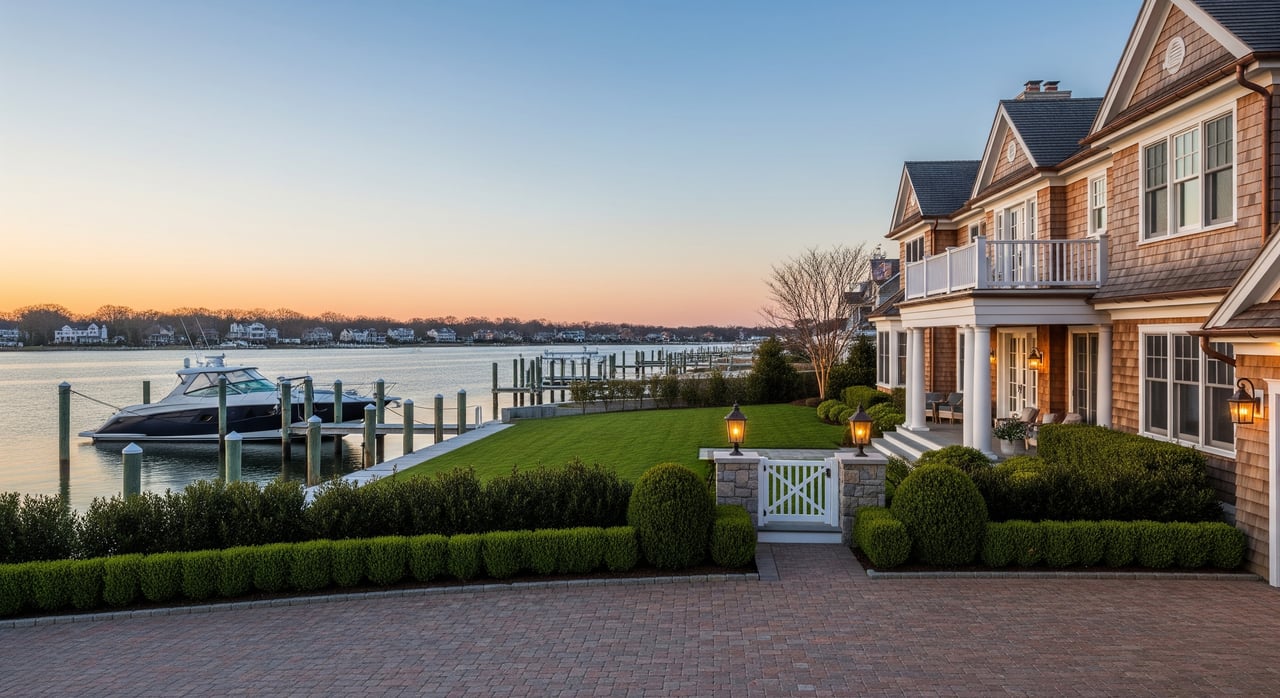
Freeport is a South Shore village with a working waterfront and marina lifestyle. You will find a wide mix of housing: bungalows and ranches, post‑war colonials, split levels, and a notable cluster of canal and bayfront homes toward the south. There are also smaller condo and co‑op options closer to downtown and the marina.
The south-side waterfront micro‑market often commands a premium for boat access and views. Those same blocks can sit within FEMA‑mapped flood zones, which may mean higher insurance costs and elevation considerations. Inland sections usually offer more standard suburban lots and lower flood risk. Freeport’s LIRR station on the Babylon Branch makes the commute to Manhattan straightforward for many buyers.
Baldwin at a glance
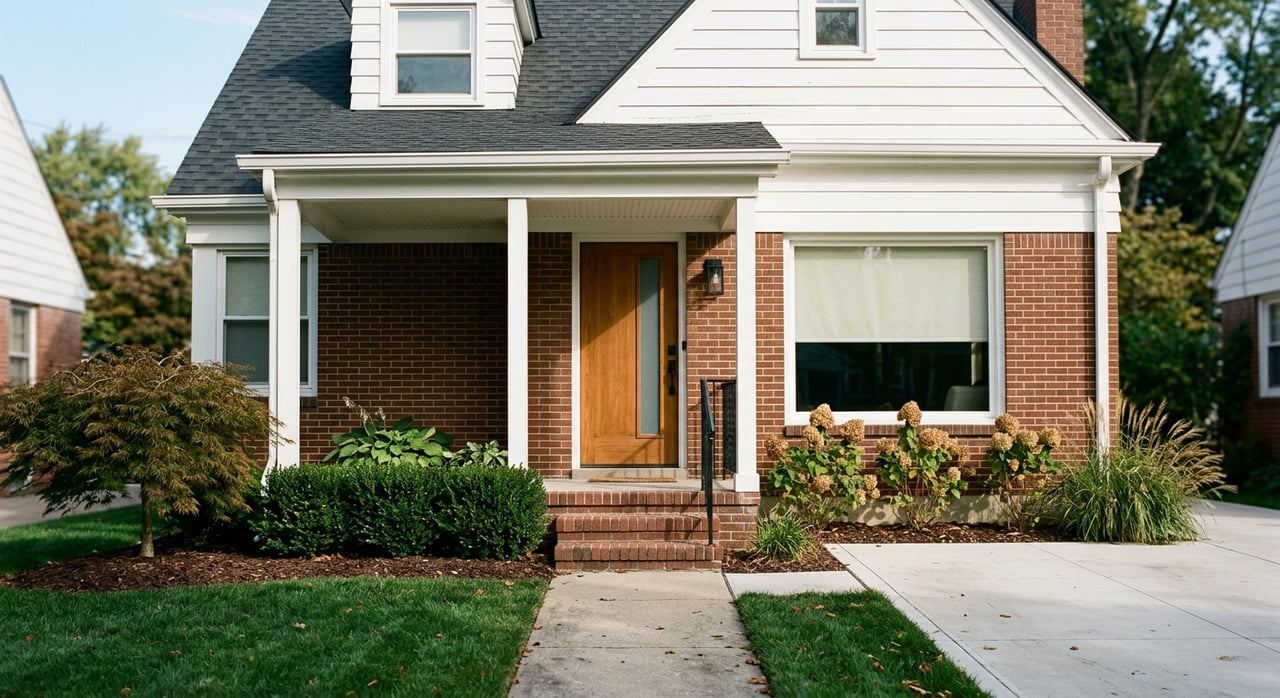
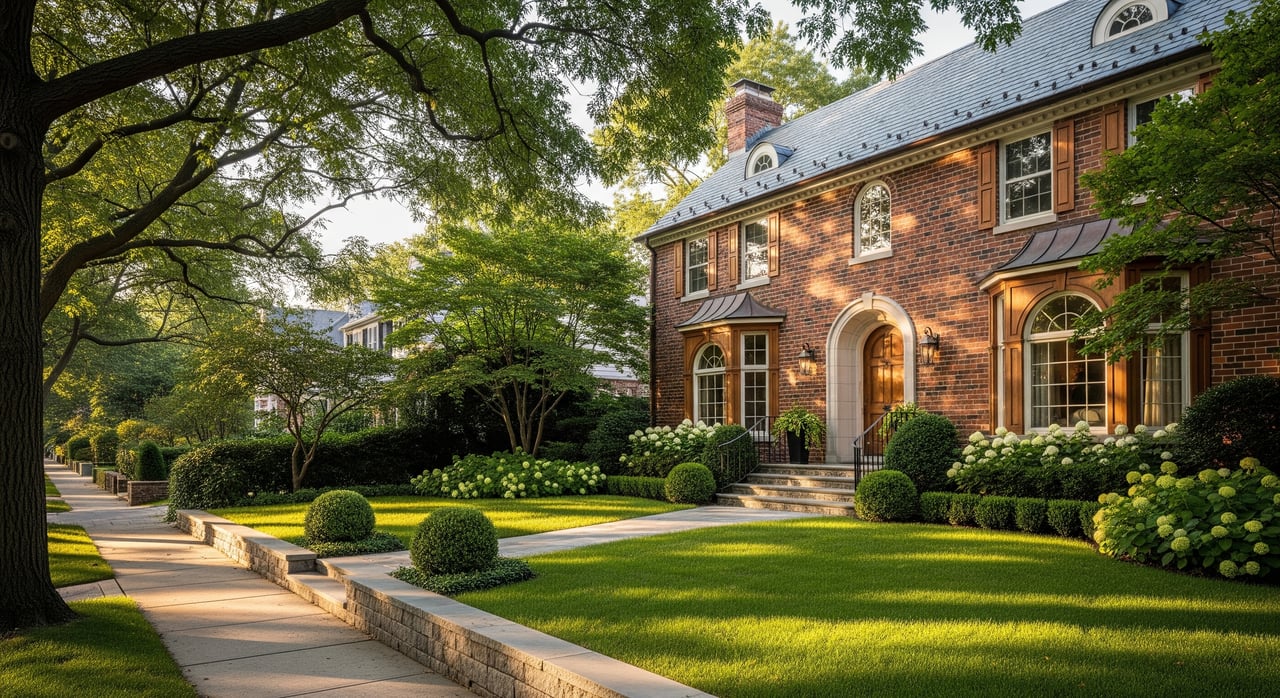
Baldwin is primarily a residential, inland community on the South Shore. The housing stock leans toward mid‑century colonials, split levels, and ranches on tree‑lined streets. You will also find some condo and co‑op buildings near the business corridors. North of Sunrise/Merrick Road, lots and homes tend to be larger, which can be a draw for move‑up buyers who want yard space and room to expand.
Baldwin has less of a marina presence than Freeport, so widespread flood exposure is less common inland. As with any property on the South Shore, you should still check FEMA flood maps for specific addresses. Baldwin also sits on the Babylon Branch, so you have direct LIRR service similar to Freeport.
Price drivers to compare
Think about the value you are getting, not just the price tag. These are the biggest drivers that shape prices and your day‑to‑day experience:
- Lot size and expansion potential: Larger lots, especially in Baldwin north of Sunrise/Merrick Road and inland pockets of Freeport, can support additions and outdoor living. That can raise both lifestyle value and future resale.
- Waterfront and lifestyle factors: Freeport’s canal and bayfront homes offer unique lifestyle perks and often higher prices per square foot. Factor in flood zones, insurance, and elevation requirements when comparing monthly costs.
- Commute and walkability: Homes near LIRR stations and commercial corridors can see a transit and convenience premium. Decide how much you value walkability versus a larger lot further from the train.
- Schools and district programs: Freeport and Baldwin are separate school districts. Families often compare program offerings, AP and arts options, and class sizes using objective sources. Verify district boundaries and program details directly.
- Property taxes and carrying costs: Nassau County taxes can be a major budget line. Review the tax history for each property, then add expected flood insurance for waterfront or low-lying blocks where applicable.
- Housing quality and renovation runway: Homes with solid bones and room for improvement can be excellent move‑up plays. Look for layouts that support a primary suite or open kitchen, then price your renovation plan.
Inventory, competition, and timing
Inventory and months of supply set the tone for negotiations. Low supply usually means faster sales and stronger sale-to-list ratios. You may face multiple offers, especially for move‑in ready homes near the LIRR or in areas with strong buyer demand. Niche waterfront properties can be more selective, with a smaller but motivated buyer pool.
If you need to sell before you buy, plan your timing early. Popular strategies include:
- Bridge financing to remove a home sale contingency.
- Rent‑back for the seller so you can close first, then give them time to move.
- Flexible closing windows so you can align both transactions without rushing.
Where you get more house for the money
“More house for the money” depends on what you value. If you prioritize space, you may find larger lots and interior square footage in Baldwin’s north‑of‑Sunrise/Merrick areas and in some inland parts of Freeport. If your top priority is a waterfront lifestyle, Freeport’s southern blocks offer boat access and views that carry a clear premium.
Use price per square foot and lot size side by side. A higher purchase price with a bigger lot and a flexible layout may give you more long‑term value than a lower price for a smaller home that is maxed out on expansion.
A simple comparison method
Use this step‑by‑step checklist to compare two homes, one in each town:
- Define your must‑haves: bedrooms, baths, minimum interior square footage, and lot size.
- Pull 12‑month median sale price, price per square foot, and days on market for each town from two sources. Note source and period.
- Check flood maps for the specific addresses. Price in flood insurance if required.
- Confirm property taxes from county records and school district boundaries from official sources.
- Visit during peak commute hours and on a weekend to feel traffic, noise, and parking.
- Price your renovation plan. Get ballpark estimates for kitchen, bath, or an addition to compare true total cost.
- Evaluate resale factors: proximity to LIRR, lot size, layout flexibility, and market depth for similar homes.
- Weigh monthly carrying costs: mortgage, taxes, insurance, and any flood or HOA/condo fees.
Micro‑markets to know
Freeport highlights:
- Waterfront/canal homes: Lifestyle premium, boat access, higher insurance and elevation needs.
- Near LIRR/downtown: Walkability and transit convenience, mixed housing types including some condos and co‑ops.
- Inland blocks: More typical suburban lots, often lower flood exposure.
Baldwin highlights:
- North of Sunrise/Merrick Road: Larger lots and homes, a common target for move‑up buyers.
- Near business corridors and LIRR: Transit and convenience premium, some multi‑family and condo options.
- Established residential streets: Mid‑century single‑family homes with solid renovation potential.
What about schools?
Both communities have separate school districts with their own programs and strengths. For an objective view, families often review district report cards, program listings, and enrollment trends from official sources. For any specific property, confirm the assigned schools, program offerings, and transportation details directly with the district.
Flood, insurance, and permitting
On the South Shore, flood risk varies block by block. Many Freeport waterfront and canal homes sit in mapped flood zones. Some inland areas in both towns can still be low‑lying, so always verify the flood zone for the exact address. Your total monthly payment can change with flood insurance, so add that cost early.
If you plan to expand, check village and county permitting requirements and realistic timelines. Factor contractor availability and local code guidelines into your plan, especially if you want to add a level or rework the layout right after closing.
Renovate or buy bigger now?
There is no single right answer. If you find a home with great bones on a larger lot, renovating can unlock value while keeping you in a neighborhood you love. If you need space right away, targeting larger move‑up homes in Baldwin’s north side or Freeport’s inland streets may be quicker, even if the initial price per square foot is higher.
Run both scenarios with actual numbers. Include purchase price, renovation budget, carrying costs, and likely resale considerations to see which path fits your timeline and finances.
The bottom line on value
Value is personal. If your dream is to keep a boat behind the house and spend weekends on the bay, Freeport’s waterfront micro‑markets may be worth the premium. If your dream is a bigger yard, more bedrooms, and a classic suburban feel, Baldwin’s larger lots and mid‑century stock can be a smart play. Use the same metrics in both towns, segment by micro‑market, and test your budget against total monthly costs and renovation plans.
Ready to compare properties and timing strategies for your move‑up plan? Reach out to schedule a friendly, no‑pressure consult with Nodine Aldridge. You will get senior‑level negotiation, local insight, and a step‑by‑step plan to buy with confidence.
FAQs
Which town offers more house for the money?
- It depends on your priorities, but larger lots and interior space are often found in Baldwin north of Sunrise/Merrick Road and in certain inland parts of Freeport, while Freeport’s waterfront carries a lifestyle premium.
How do property taxes compare between the two?
- Nassau County taxes vary by property, assessment, and school district; compare the actual tax bills for each address and include any flood insurance to understand true monthly costs.
Are waterfront premiums in Freeport worth it?
- If boating and bay access are top priorities, many buyers see strong lifestyle value, but you should price in flood insurance, elevation needs, and potentially longer resale timelines for niche properties.
Do the school districts differ a lot?
- They are separate districts with different programs; review official report cards and offerings, confirm boundaries for any property, and choose based on your child’s needs and your educational goals.
How competitive is the market right now?
- Competition tends to be strongest for move‑in ready homes near LIRR and major corridors; niche waterfront properties can be selective, so review inventory, days on market, and sale‑to‑list ratios for current conditions.
How long would it take to resell a typical family home?
- Look at median days on market for recent sales of similar homes in each town; demand can shift with inventory and seasonality, so update figures right before listing.
Which areas have appreciated faster historically?
- Micro‑markets near transit and amenities and homes with larger lots often show resilient demand, but performance varies by block and year, so review a 3‑ to 5‑year trend by neighborhood.
Is renovating or expanding feasible in these towns?
- Many homes support value‑add improvements; verify local permitting timelines, code requirements, and contractor capacity, then compare your renovation plan to the cost of buying a larger home now.